Las Vegas
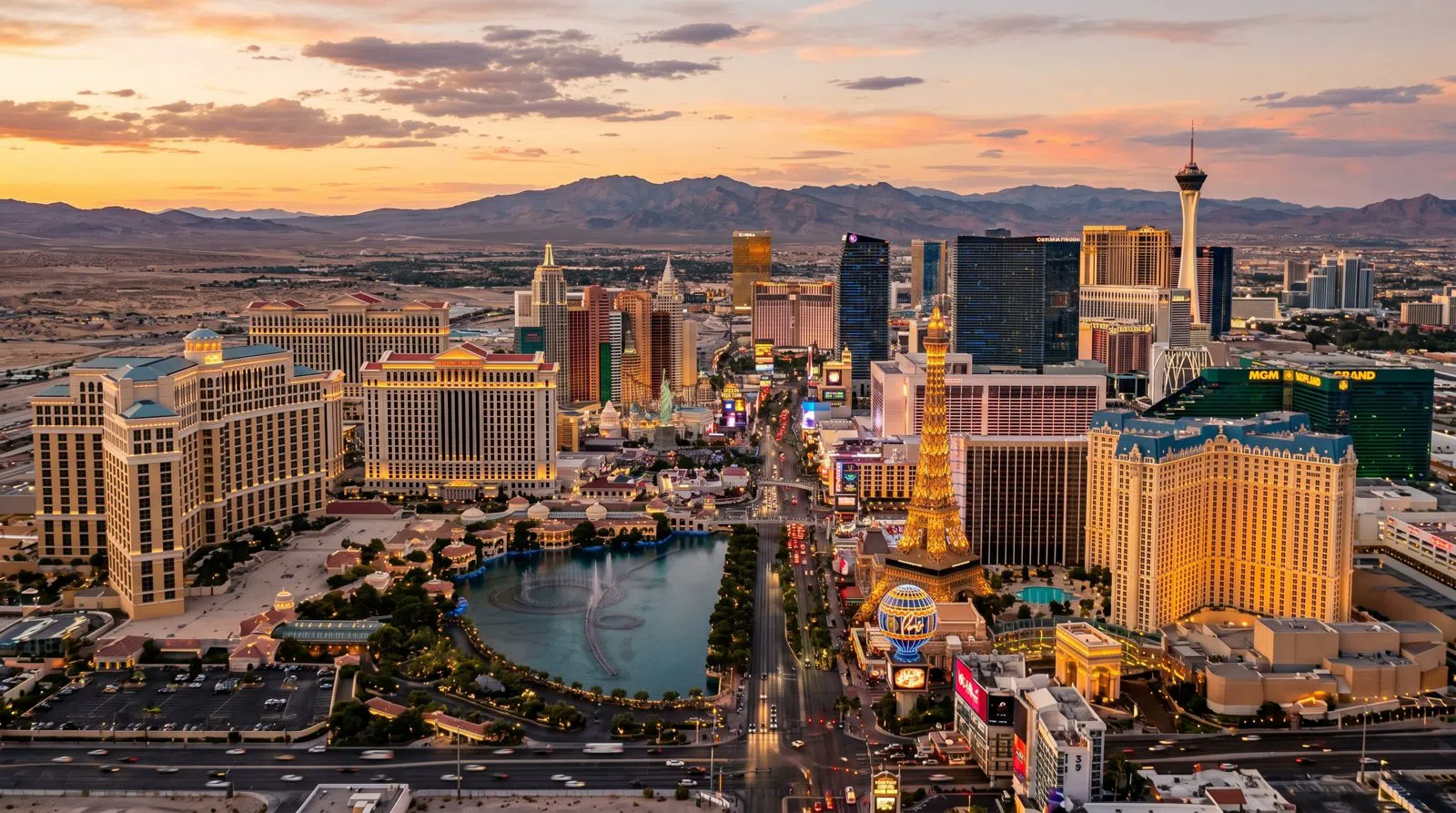
Las Vegas is a masterclass in hyper-reality.
Guests & rooms
The Las Vegas guide
An insider’s read on Las Vegas
LLas Vegas is a masterclass in hyper-reality.
What began as a modest desert railroad watering hole in 1905 transformed rapidly after the legalization of gambling in 1931. The mid-century era brought organized crime syndicates that funded the first wave of luxury resort-casinos, establishing a legacy of high-stakes glamour. Today, the mob has been replaced by corporate entertainment conglomerates, shifting the city's identity from a pure gambling haven into a global culinary, sporting, and technological playground.
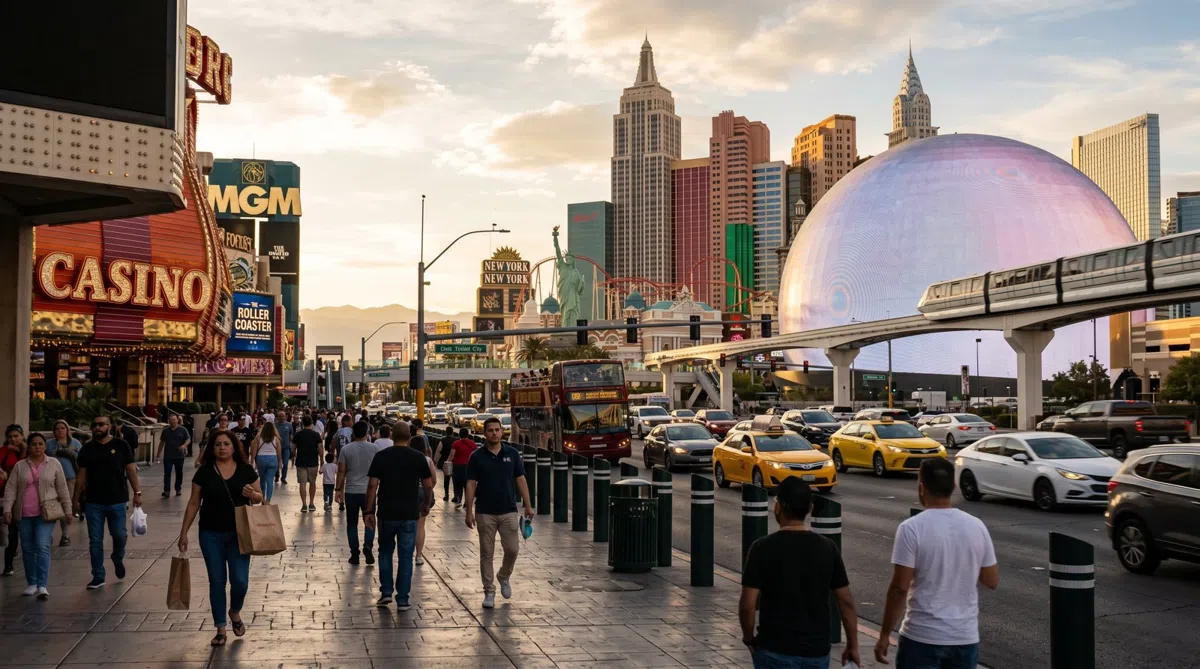
PLATE ILas Vegas, United States
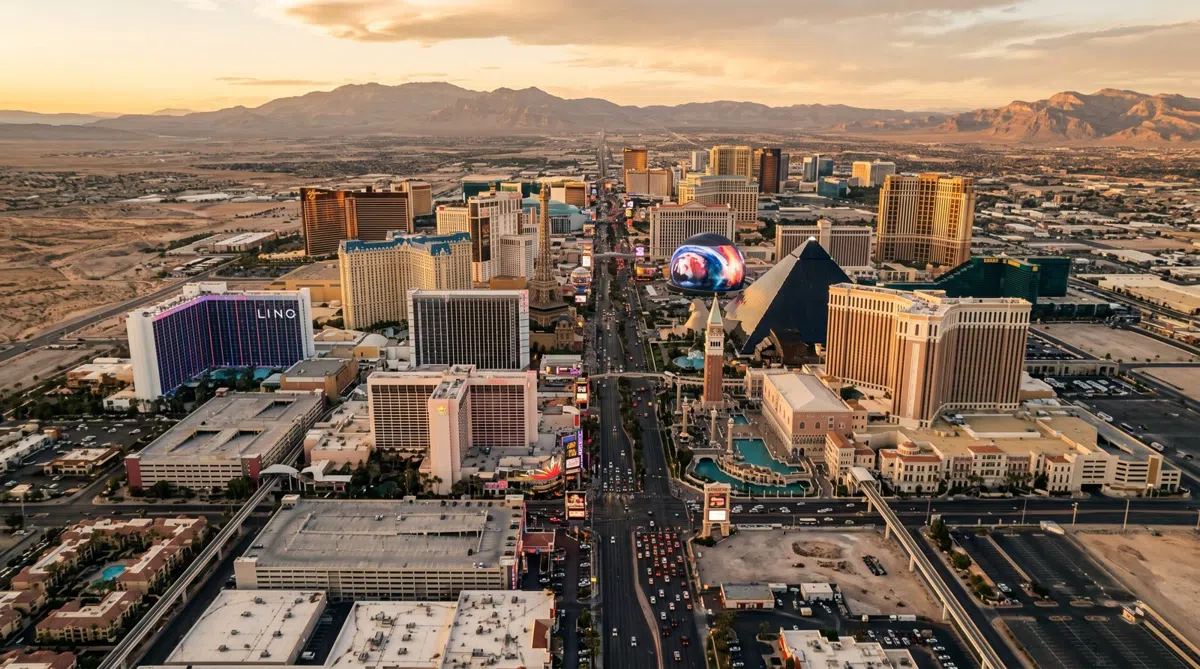
Where to base yourself
The neighborhoods
01
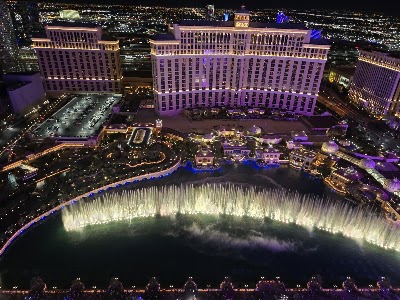
The Mid-Strip
For First-time visitors who want to be in the center of the action. The trade-off is relentless crowds, high prices, and constant sensory bombardment.
The dense, chaotic heart of the resort corridor, defined by iconic fountains, massive casino floors, and constant pedestrian traffic.
Where to stay — Grand, classic mega-resorts like Caesars Palace or Bellagio.
02
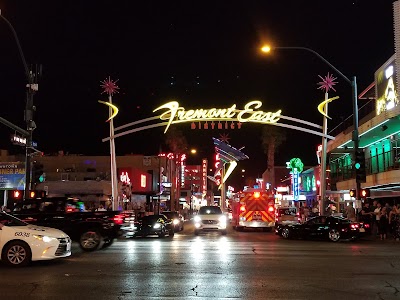
Downtown / Fremont East
For Budget-conscious travelers and those seeking a retro aesthetic. The trade-off is significant noise levels and a highly commercialized, crowded pedestrian mall.
Vintage neon signs, lower ceilings, and a gritty, high-energy street scene under a massive LED canopy.
Where to stay — Circa Resort for modern luxury, or El Cortez for historic preservation.
03
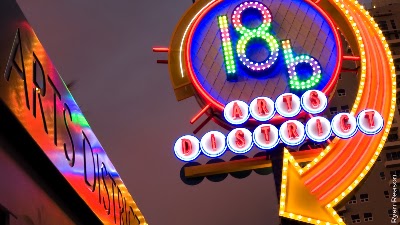
The Arts District (18b)
For Travelers looking to escape the casino environment and mingle with locals. The trade-off is a lack of luxury lodging and a location that requires a rideshare to reach.
An industrial-chic enclave of converted warehouses, indie galleries, antique shops, and local breweries.
Where to stay — Boutique motels or vacation rentals; there are no major hotels directly in this district.
04
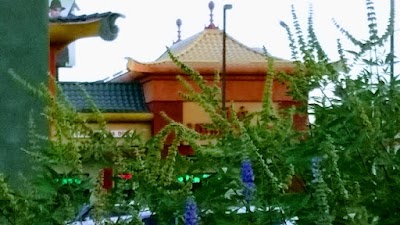
Chinatown
For Dedicated food lovers. The trade-off is that it is entirely car-dependent and lacks any traditional neighborhood aesthetic.
A sprawling strip-mall corridor along Spring Mountain Road packed with some of the city's finest off-Strip dining.
Where to stay — Stay on the Mid-Strip and take a ten-minute rideshare west.
05
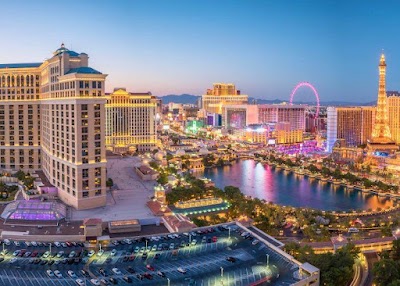
The South Strip
For Families and business travelers who want Strip access without the intense foot traffic of the center. The trade-off is longer walks or transit times to major dining hubs.
A slightly more relaxed, spread-out section of the boulevard anchored by massive, theme-heavy resorts.
Where to stay — Four Seasons for non-gaming quiet, or Delano for all-suite modernism.
06
The North Strip
For Design enthusiasts and luxury travelers who prefer polished interiors over casino kitsch. The trade-off is that it feels somewhat isolated from the rest of the Strip.
A rapidly developing sector defined by soaring, ultra-modern luxury towers and vast open spaces.
Where to stay — Wynn Las Vegas or Fontainebleau.
Book direct
Book a hotel in Las Vegas
Loading live availability and real-time prices…
Where to eat
Dining
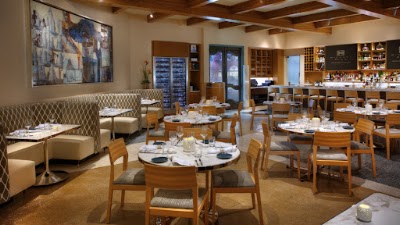
Michael Mina
€€€€Mid-Strip
The kitchen uses a proprietary charcoal-grilling technique to cook pristine ocean fish flown in daily.
Signature — The Ginger-Scallion Whole Fish
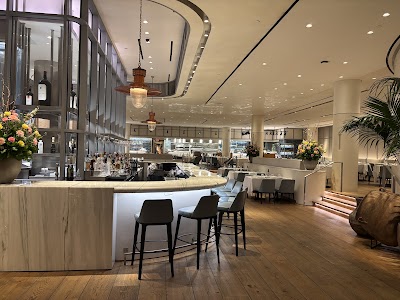
Estiatorio Milos
€€€€Mid-Strip
Guests select their own fresh Mediterranean fish from an iced market display, priced by the pound.
Signature — The Milos Special (fried zucchini and eggplant tower with saganaki cheese)
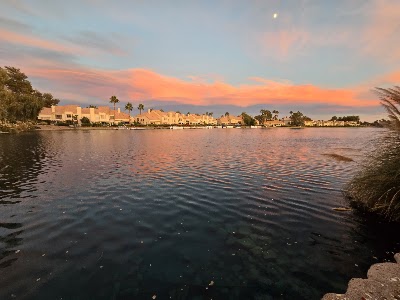
Lakeside
€€€€North Strip
Dine on sustainably sourced Hawaiian fish directly on the edge of the Wynn's multimedia lake.
Signature — Oven-Roasted Maine Lobster
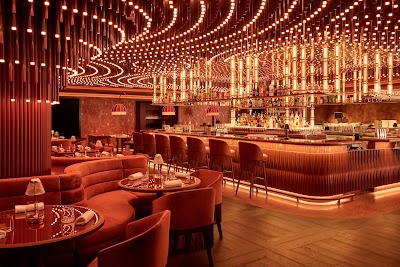
Bazaar Meat by José Andrés
€€€€North Strip
An untraditional, wild celebration of all things carnivorous, featuring rare cuts and inventive presentations.
Signature — Vaca Vieja (8-to-10-year-old grass-fed Holstein ribeye)
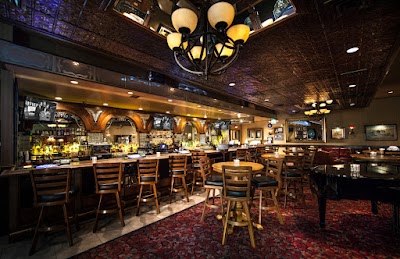
Golden Steer Steakhouse
€€€Off-Strip
The city's oldest steakhouse, where Sinatra and Sammy Davis Jr. had their own dedicated booths.
Signature — Tableside Caesar Salad and Chateaubriand for Two
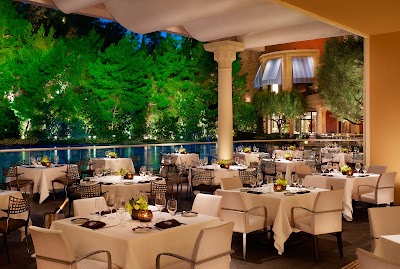
SW Steakhouse
€€€€North Strip
One of the few restaurants in the US certified to serve authentic, registered A5 Kobe beef.
Signature — Certified A5 Kobe Ribeye
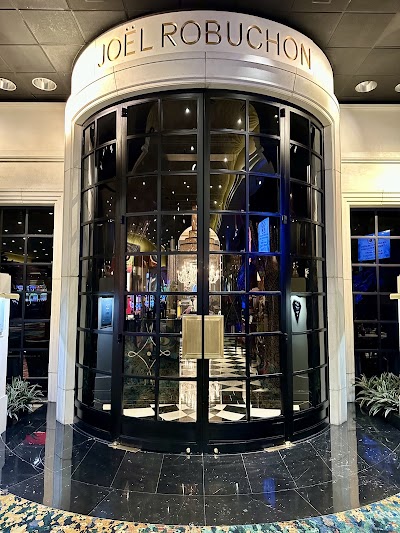
Joël Robuchon
€€€€South Strip
An opulent, townhouse-style dining room offering a legendary, multi-course French tasting menu.
Signature — Le Caviar Imperial (Osetra caviar with king crab crust and fennel cream)
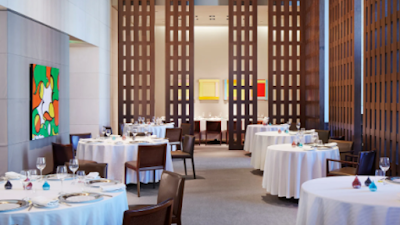
Restaurant Guy Savoy
€€€€Mid-Strip
The only venue outside Paris where you can experience the master chef's precise, elevated French cuisine.
Signature — Artichoke and Black Truffle Soup with toasted mushroom brioche
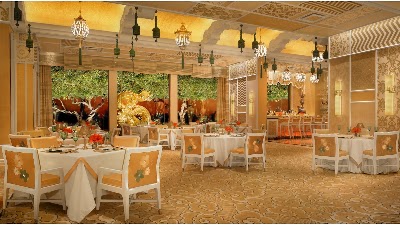
Wing Lei
€€€€North Strip
The first Chinese restaurant in North America to earn a Michelin star, set in a lavish gold-toned dining room.
Signature — Imperial Peking Duck
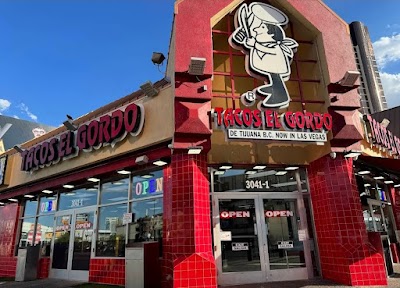
Tacos El Gordo
€North Strip
An absolute institution serving authentic Tijuana-style tacos with handmade corn tortillas.
Signature — Adobada Tacos (spit-roasted pork with fresh guacamole)
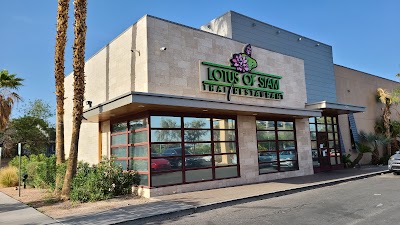
Lotus of Siam
€€Off-Strip
Widely praised by national food critics for its deeply flavorful, authentic Northern Thai specialties.
Signature — Khao Soi (crispy duck in northern-style coconut curry)
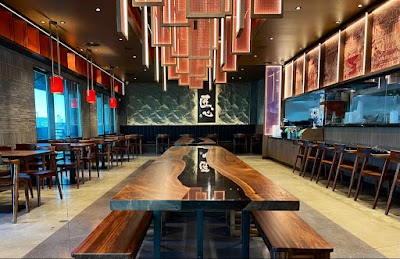
Shang Artisan Noodle
€Chinatown
Watch chefs hand-pull and knife-shear fresh noodles behind a glass partition in a sleek space.
Signature — Shang Beef Noodle Soup
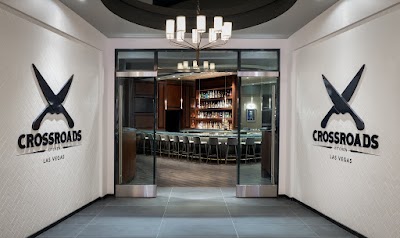
Crossroads Kitchen
€€€North Strip
The first fully plant-based fine dining restaurant on the Strip, serving upscale Mediterranean classics.
Signature — Stuffed Zucchini Blossoms with vegan ricotta
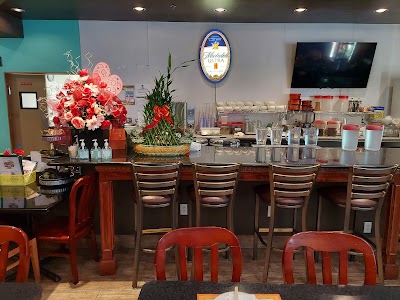
Chef Kenny's Asian Vegan Restaurant
€€Chinatown
An entirely vegan menu of dim sum, sushi, and classic Chinese dishes that fool even meat-eaters.
Signature — Vegan Spicy Tuna Roll
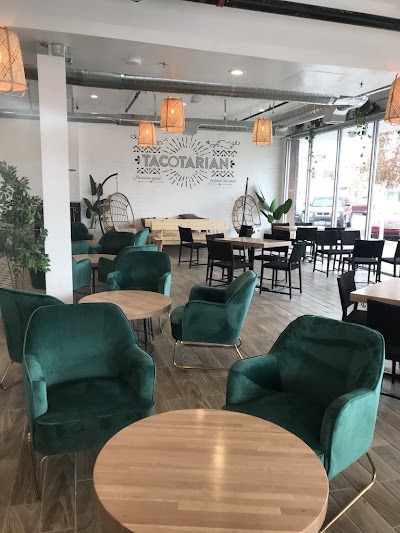
Tacotarian
€Arts District
A vibrant, locally owned spot boasting the largest selection of vegan tacos in the country.
Signature — The Cali Burrito (filled with house-made vegan carne asada)
After dark
Nightlife
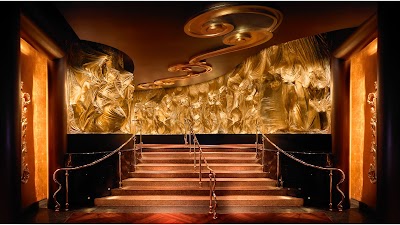
XS Nightclub
North Strip
An indoor-outdoor layout centered around a luxurious pool, hosting top-tier electronic music talent.
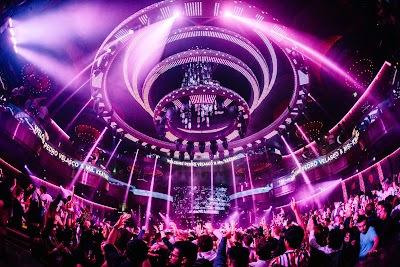
Omnia
Mid-Strip
Features a massive, 22,000-pound kinetic chandelier that moves in sync with the DJ's beats.
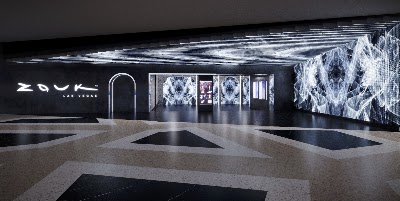
Zouk Nightclub
North Strip
The most technologically advanced club in the city, featuring a shifting LED ceiling grid.
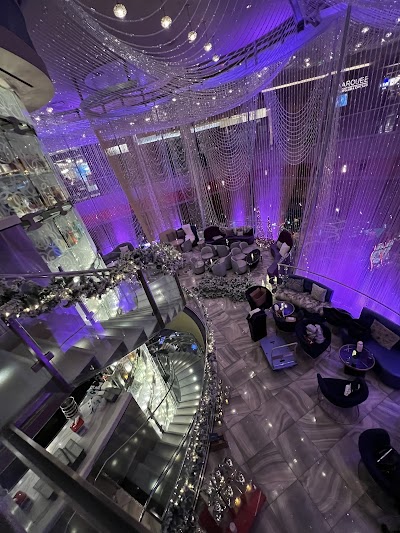
The Chandelier
Mid-Strip
A multi-story bar housed inside a massive, shimmering crystal chandelier.
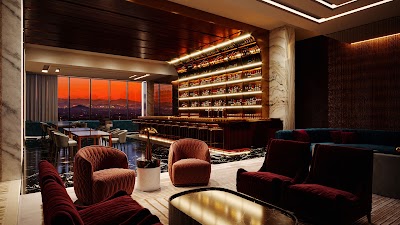
Legacy Club
Downtown
Perched on the 60th floor of Circa, offering outdoor fire pits and views of the entire valley.
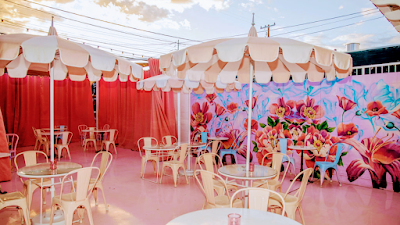
Velveteen Rabbit
Arts District
An independent, woman-owned lounge serving highly creative, seasonal craft cocktails.
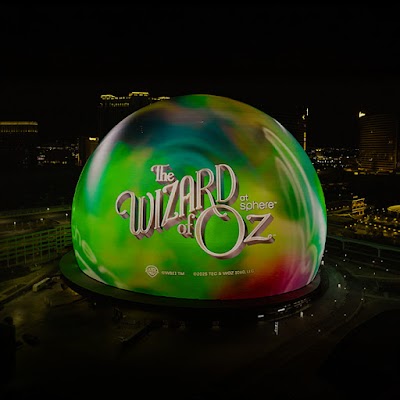
Sphere
Mid-Strip
A revolutionary venue featuring a wrap-around interior LED screen and beamforming audio technology.
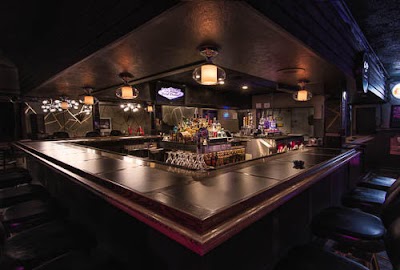
The Sand Dollar Lounge
Chinatown
A historic, no-nonsense dive bar hosting live blues, rock, and soul musicians nightly.
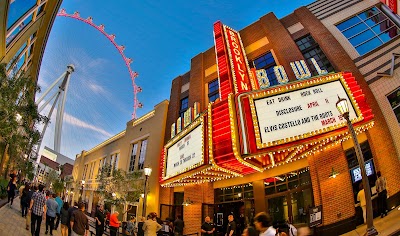
Brooklyn Bowl
Mid-Strip
A multi-level concert venue that combines a high-tech bowling alley with a great live music stage.
Art & history
Culture
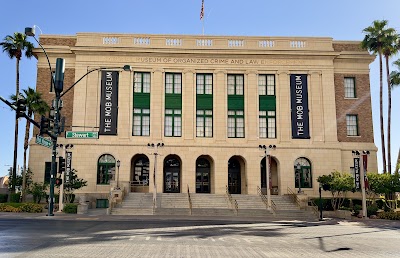
The Mob Museum
Downtown
Housed in a historic former federal courthouse, it offers an interactive look at the battle between law enforcement and organized crime.
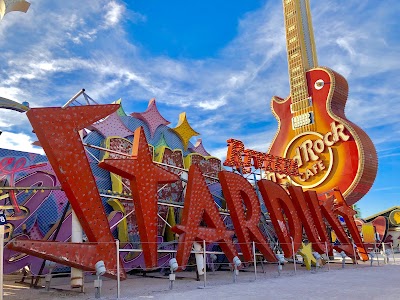
The Neon Museum
Downtown
An outdoor exhibition space dedicated to preserving and restoring the city's iconic neon signs.
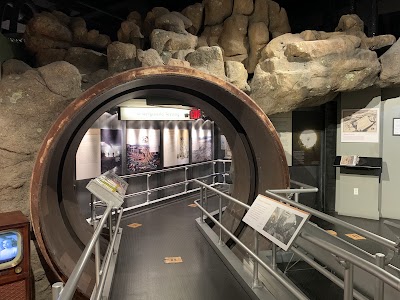
Atomic Museum
Off-Strip
Documents the history of nuclear testing at the nearby Nevada Test Site during the Cold War.

Hoover Dam
Off-Strip
An Art Deco concrete masterpiece that tamed the Colorado River and made the city's growth possible.
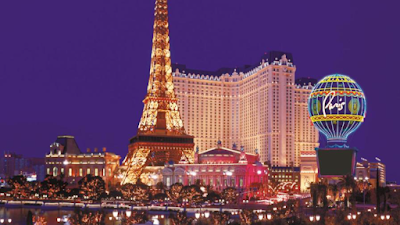
The Eiffel Tower Viewing Deck
Mid-Strip
A half-scale replica of the Parisian landmark offering panoramic views of the Strip corridor.
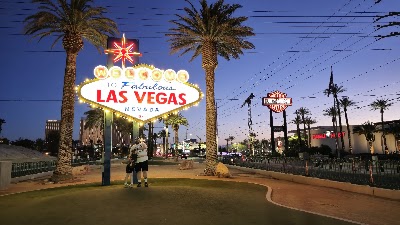
Welcome to Fabulous Las Vegas Sign
South Strip
The classic, Googie-style neon sign designed by Betty Willis in 1959.
Book ahead
Top-rated experiences in Las Vegas

Grand Canyon West Rim including Skywalk and Lunch
from $375

Gold Elvis Wedding or Vow Renewal at Las Vegas Sign
from $122

Two Hour Off-Road Driving Adventure in Las Vegas
from $277

Hoover Dam to Willow Beach Guided Full Day Tour
from $200

Emerald Cave Kayak Tour Near Las Vegas at Willow Beach
from $69

Emerald Cave and Black Canyon Kayak Tour
from $72

The Evel Knievel Experience in Las Vegas
from $35

VIP Ultimate Speed Boats and Machine Gun Shooting Adventure with Hoover Dam
from $599
Prices from Viator; we may earn a commission when you book — at no extra cost to you. Tours are sold and operated by Viator, the merchant of record. Ratings are collected by Viator and Tripadvisor.
Timing
When to visit
Spring
March to May brings daytime temperatures in the mid-20s Celsius. Pool season kicks off in earnest, and walking the Strip is highly manageable before the extreme summer heat sets in.
Summer
June to August sees temperatures regularly exceeding 40 degrees Celsius. Daytime activity is strictly confined to air-conditioned interiors and crowded pool parties, though room rates drop significantly.
Autumn
September to November offers a second window of mild weather. Convention season is in full swing, driving up mid-week room rates, while major music festivals draw massive weekend crowds.
Winter
December to February is crisp and cool, with daytime temperatures hovering around 15 degrees Celsius. Aside from New Year's Eve and major sporting events, this is the quietest time to secure reservations.
What it costs
Budgeting
Logistics
Getting around
From the airport
Harry Reid International Airport (LAS) sits remarkably close to the action. A taxi ride to the South or Mid-Strip operates on a flat-rate zone system, avoiding meter-cheating. Rideshares like Uber and Lyft operate from designated, clearly marked parking garage zones at both Terminal 1 and Terminal 3.
Public transit
The Las Vegas Monorail runs along the east side of the Strip, connecting major resorts from Sahara to MGM Grand, bypassing street-level traffic entirely. For a cheaper, slower alternative, The Deuce is a double-decker bus operating 24/7 that connects the Strip to Downtown.
Passes & tickets
A 3-day Monorail pass costs around €30 and is highly efficient for those staying on the east side of the Strip. RTC bus passes are available in 24-hour or 3-day increments (€) via the RideRTC app.
On foot
Deceptively difficult. While resorts look close together, their massive footprints and the requirement to use elevated pedestrian bridges to cross intersections mean a walk between adjacent properties can easily take twenty minutes.
Travel smart
Safety & etiquette
Local etiquette
- •Always tip your casino dealer by placing a small bet for them or handing them a chip after a winning streak.
- •Do not carry open glass containers on the Strip; public drinking is legal, but beverages must be in plastic cups.
- •Respect the photography rules; taking photos of active gaming tables or other players is strictly prohibited by security.
From the ground
Practical tips
1
Sign up for resort loyalty cards before gambling or dining; they are free and often provide immediate discounts on meals.
2
Avoid visiting during major conventions like CES in January unless you are attending, as room rates quadruple.
3
Pack a light jacket or sweater even in the summer; the indoor casino air conditioning is notoriously freezing.
4
Use the rideshare drop-off zones located at the back of resorts to save significant walking time compared to front valets.
5
Buy tickets for the High Roller observation wheel online in advance to bypass the ticket window lines.
6
Always check the resort fee details before booking, as they can sometimes cost more than the base room rate itself.
Las Vegas FAQs
Are drinks really free while you gamble?
Yes, casinos serve complimentary alcoholic beverages to active players, even at low-limit slot machines. However, you must tip the server at least a dollar or two per drink to ensure they return.
What are resort fees?
These are mandatory daily charges added to your hotel bill at checkout, covering amenities like Wi-Fi and pool access. They are rarely included in the advertised room rate.
Can you walk between all the casinos?
Technically yes, but the scale is deceptive. Walking from the south end of the Strip to the north end takes over an hour and is highly exhausting in the summer heat.
Do I need to book show tickets in advance?
Yes, major headliner residencies and popular Cirque du Soleil shows regularly sell out weeks or months ahead of time.
Is marijuana legal in the city?
Yes, recreational cannabis is legal for adults, but consumption is strictly prohibited in public spaces, casinos, and hotel rooms. It must be consumed in private residences or designated lounges.